Common Causes of Paver Shifting and Settling
To address common causes of paver shifting and settling, local contractors can assess underlying issues and provide expert repair services to restore stability and appearance.
Property owners noticing pavers shifting or settling often wonder about the underlying causes. Understanding the common reasons behind these issues can help in making informed decisions about repairs and maintenance. Whether it’s due to soil movement, improper installation, or environmental factors, identifying the root cause is a key step toward restoring a safe and attractive outdoor space. Local contractors experienced in paver repair are well-equipped to assess these issues and recommend effective solutions, ensuring that your paved areas remain stable and durable for years to come.
Exploring the causes of paver shifting and settling is especially relevant for homeowners and property managers aiming to maintain the value and safety of their outdoor surfaces. Factors like ground movement, drainage problems, or inadequate base preparation can all contribute to these common issues. Recognizing these potential causes can help property owners decide when professional repair services are needed. Local service providers who specialize in paver repair can handle these challenges efficiently, providing solutions that address the specific reasons behind shifting or settling and helping to prevent future problems.
- When pavers shift due to soil movement or poor base installation, local contractors can assess and stabilize the area to prevent further settling. - Settling caused by erosion or drainage issues may require expert repair to restore the paver surface and ensure stability. - Paver shifting from tree roots or vegetation growth can be addressed by local pros who carefully remove roots and re-level the pavers. - When pavers sink or become uneven because of improper compaction, service providers can recompact the base and reset the pavers properly. - Cracks or unevenness from freeze-thaw cycles are common causes of paver settling, and local contractors can perform repairs to correct these issues.
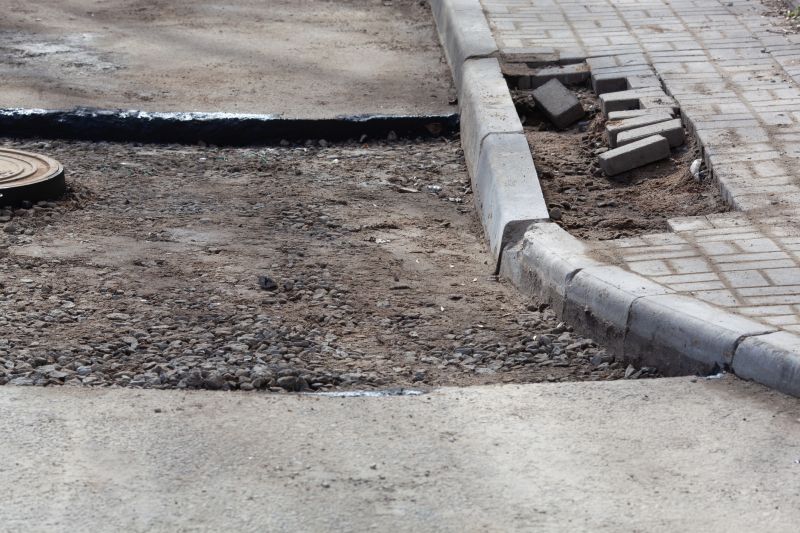
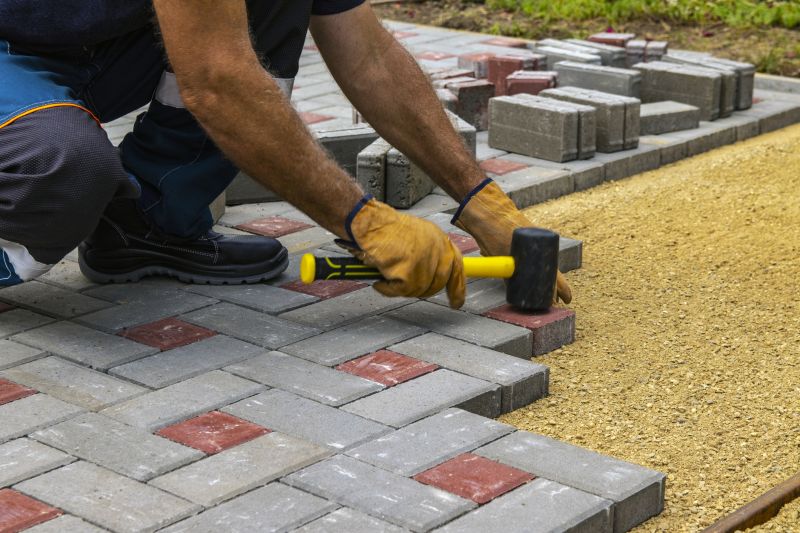
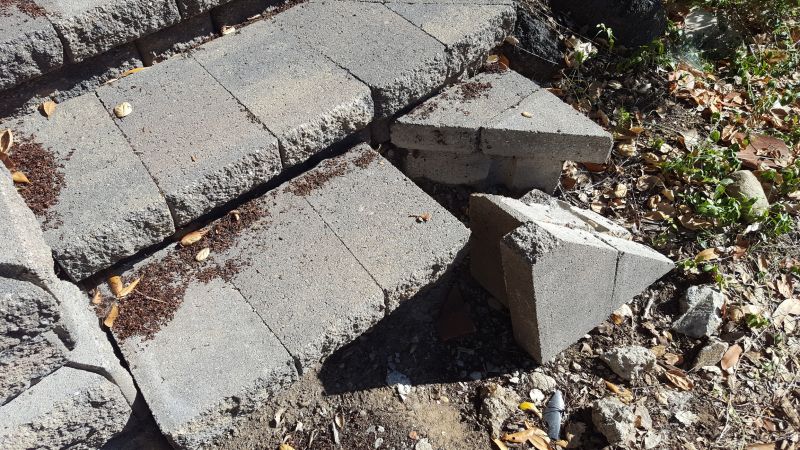
When homeowners search for information about common causes of paver shifting and settling, they are often trying to understand why their paved surfaces are becoming uneven or developing cracks. These issues can affect various outdoor areas, including driveways, walkways, patios, and pool decks. People typically want to identify the root causes so they can plan repairs that restore the stability and appearance of their paver installations. Understanding these causes also helps in preventing future problems, making it easier to maintain a safe and attractive outdoor space.
Paver shifting and settling are usually related to underlying problems with the base or subsoil beneath the paved area. Poor soil conditions, such as expansive clay or loose fill, can lead to uneven support, causing pavers to move or sink over time. Inadequate or improperly installed base materials may also contribute to instability, especially if the foundation wasn’t compacted correctly. Additionally, water infiltration from poor drainage or heavy rainfall can erode the soil underneath, leading to shifting. Recognizing these issues is essential for planning effective repairs, and local service providers can assess the site to determine the specific causes behind the shifting or settling.
Certain types of properties are more prone to these problems due to their location, construction, or existing conditions. Residential homes with expansive clay soils or poorly drained yards often experience paver movement. Properties situated on slopes or uneven terrain may also face more challenges with settling, especially if proper grading wasn’t done initially. Commercial properties, such as parking lots or walkways, are susceptible to heavy traffic and frequent water exposure, which can accelerate shifting. Recognizing the property type and its specific conditions helps homeowners understand the potential causes and the importance of consulting experienced local contractors who specialize in paver repair.
Understanding the common causes of paver shifting and settling is vital for homeowners planning repairs or replacements. These issues are often linked to foundational problems like soil instability, poor drainage, or subpar installation practices. When these problems occur, it’s important to work with local service providers who can diagnose the root causes and recommend appropriate solutions. Proper assessment and timely repairs can prevent further damage, improve safety, and extend the lifespan of the paved surfaces. Connecting with experienced paver repair professionals can ensure that the underlying issues are addressed effectively, leading to a more durable and visually appealing outdoor space.
Landscape Design Projects - These projects often involve planning and installing hardscaping elements similar to paver installation and repair, requiring knowledge of soil prep and surface leveling.
Driveway Installation and Repair - Installing or fixing driveways shares skills in sub-base preparation and drainage management that are crucial for preventing paver shifting and settling.
Patio Construction Services - Building patios involves similar surface preparation and layering techniques to ensure stability and longevity, addressing common causes of paver issues.
Retaining Wall Projects - These projects require understanding of soil pressure and drainage solutions, which are also important factors in paver stability.
Drainage System Installations - Proper drainage design helps prevent water-related causes of paver shifting, making these services relevant to maintaining paved surfaces.
Soil Stabilization Services - Techniques used to improve soil strength and reduce movement directly relate to preventing common causes of paver shifting and settling.
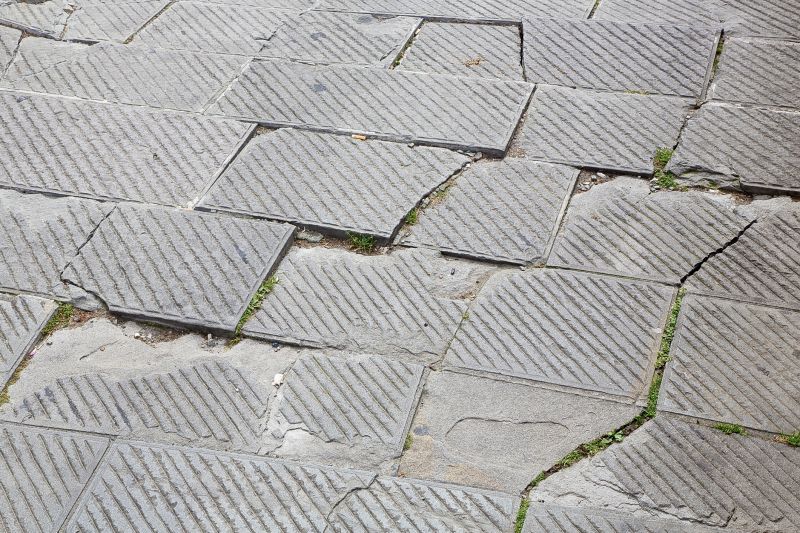
When evaluating service providers for paver repair, it is important to consider their experience with similar projects. Homeowners should inquire about how many years a local contractor has been working on paver installations and repairs, especially those involving common causes of paver shifting and settling. A contractor’s familiarity with these specific issues can indicate their ability to accurately diagnose the root causes and recommend effective solutions. Contractors with a proven track record handling projects similar in scope and complexity are more likely to deliver results that address the underlying problems and restore the stability of the paved surface.
Clear written expectations are essential when comparing local contractors for paver repair services. Homeowners should seek detailed explanations of the repair process, including what steps will be taken to address shifting or settling, and what the project will entail. Having a comprehensive scope of work helps prevent misunderstandings and ensures that both parties are aligned on the deliverables. Transparent communication regarding the repair approach, materials used, and the anticipated outcome can help homeowners feel confident in the contractor’s ability to meet their needs and resolve the common causes of paver shifting effectively.
Reputable references and strong communication skills are key factors to consider when selecting a service provider. Homeowners are encouraged to ask for references from previous clients who had similar issues resolved, as this provides insight into the contractor’s reliability and quality of work. Good communication throughout the project is equally important; service providers who listen carefully to concerns, provide timely updates, and answer questions clearly are more likely to ensure a smooth repair process. These qualities help build trust and facilitate a successful outcome when addressing the common causes of paver shifting and settling.
Property owners often search for common causes of paver shifting and settling when they are planning practical projects around their homes and businesses. Local pros provide Paver Repair services for everyday jobs and straightforward project options.
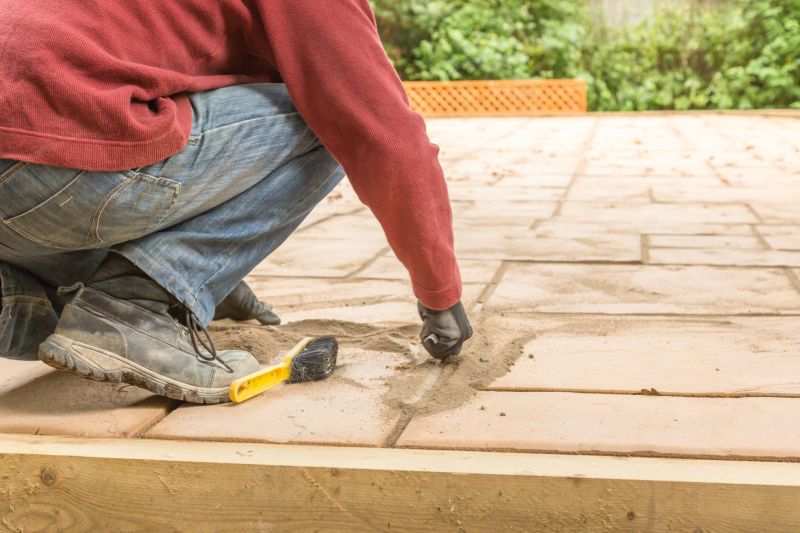
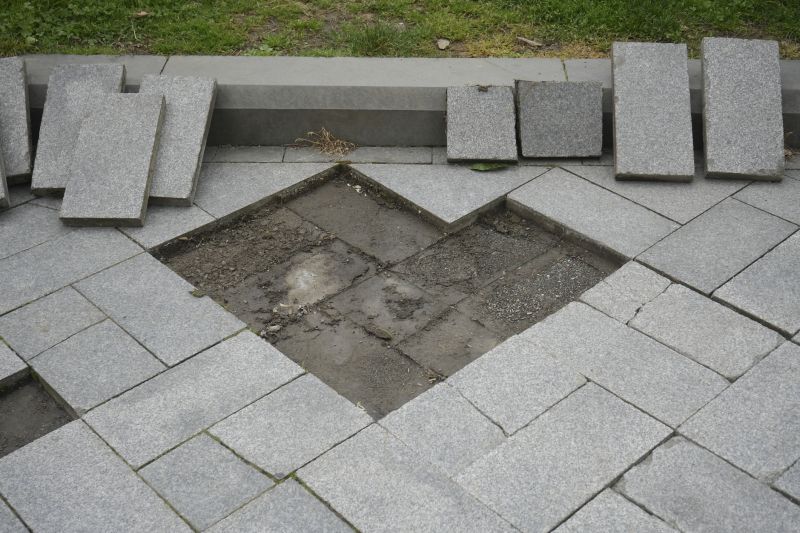
Understanding the common causes of paver shifting and settling can help property owners identify potential issues before they become costly repairs. Everyday situations, such as poor soil preparation before installation or inadequate base compaction, are frequent reasons why pavers might move over time. Additionally, natural ground movement caused by soil expansion and contraction, often due to moisture changes, can lead to uneven settling. Heavy foot traffic or the weight of outdoor furniture and vehicles can also contribute to shifting pavers, especially if the initial installation wasn’t properly designed to handle such loads.
When pavers begin to shift or settle, it’s often a sign that underlying issues need attention. Local contractors experienced in paver repair are equipped to diagnose the root causes, whether it’s poor drainage leading to soil erosion or foundational instability. They can provide the necessary services to restore the paved area’s stability and appearance, ensuring that the surface remains even and durable. Property owners interested in maintaining a safe and attractive outdoor space can consider reaching out to trusted service providers who specialize in addressing these common problems effectively.
What are common causes of paver shifting and settling? Paver shifting and settling often result from soil movement, poor base preparation, or inadequate drainage, which can be addressed by experienced service providers who specialize in paver repair.
How does soil movement contribute to paver issues? Soil movement, such as expansion or contraction due to moisture changes, can cause pavers to shift or settle unevenly; local contractors can assess and stabilize the ground to prevent further problems.
Can improper base installation lead to paver settling? Yes, an insufficient or poorly compacted base can lead to uneven settling of pavers, and skilled paver repair professionals can correct base issues to restore stability.
What role does drainage play in paver shifting? Poor drainage allows water to accumulate beneath pavers, weakening the base and causing shifting; local service providers can improve drainage systems to protect the pavers.
Are tree roots a common cause of paver movement? Yes, invasive tree roots can lift or shift pavers over time; experienced contractors can identify and manage root-related issues to prevent further shifting.
Soil instability - property owners can assess drainage and soil compaction around their pavers to prevent shifting, with local contractors offering stabilization solutions.
Improper installation - ensuring proper base preparation and joint filling during initial paving can reduce future settling, which local pros can help verify and correct.
Tree roots and vegetation - removing or managing nearby roots can prevent upward pressure that causes paver movement, with local service providers offering root barrier installation.
Heavy loads and traffic - limiting heavy vehicle access in paved areas or reinforcing the base can minimize shifting, and local contractors can advise on suitable reinforcement options.
If you are thinking about common causes of paver shifting and settling for a property, this guide is meant to help you understand this topic, the typical project types, and how different options might fit your plans.
When you are ready, you can use the quote form on this page to share a few details about your project. From there, local pros can review the basics and follow up with options that match what you have in mind.